
Modern homes require efficient and reliable heating and air solutions to maintain comfort throughout the year. As temperatures fluctuate with changing seasons, having a well-designed system that can adapt to various conditions is essential for both energy efficiency and indoor air quality. Advances in technology have made it possible to install systems that not only regulate temperature effectively but also contribute to reducing utility costs while minimizing environmental impact.
One of the most important considerations when selecting heating and cooling equipment is energy efficiency. High-efficiency furnaces, heat pumps, and air conditioning units use less power while providing consistent performance. Heat pumps, for example, are particularly versatile because they can both heat and cool a home by transferring heat between indoors and outdoors depending on the season. This dual functionality makes them an increasingly popular choice in many regions where moderate climate conditions prevail.
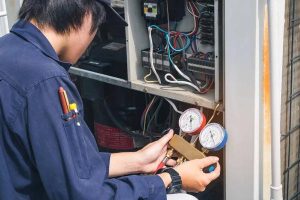
Proper installation plays a critical role in ensuring that any heating or cooling system functions optimally. Poorly installed units may lead to uneven temperature distribution or increased wear on components, resulting in higher maintenance costs over time. Professional technicians conduct thorough assessments of home layouts before recommending solutions tailored to specific needs such as square footage, insulation levels, window placement, and local climate patterns.
In addition to basic temperature control, modern HVAC systems often include features designed to improve indoor air quality. Air purifiers integrated into ventilation systems help remove allergens, dust particles, mold spores, and other contaminants from circulating air. Humidity control is another vital aspect; maintaining balanced moisture levels prevents issues like dry skin during winter months or excessive dampness that encourages mold growth.
Smart thermostats have revolutionized how homeowners interact with their heating and cooling setups by offering programmable schedules alongside remote access through mobile devices. These devices optimize energy consumption by adjusting settings based on occupancy patterns or weather forecasts without manual intervention.
Regular maintenance remains key for prolonging system lifespan regardless of model type or brand chosen. Routine inspections identify potential problems early before they escalate into costly repairs or complete breakdowns during extreme weather events when reliable operation matters most.
Ultimately, investing in Essential Heating and Air solutions designed specifically for modern homes enhances daily living comfort while supporting sustainability goals through reduced energy waste. Selecting high-quality equipment combined with professional installation ensures an efficient environment capable of adapting seamlessly throughout seasonal changes all year long.