
Preventative HVAC maintenance is a crucial aspect of ensuring the longevity and efficiency of heating, ventilation, and air conditioning systems. These systems are integral to maintaining comfortable indoor environments in both residential and commercial buildings. Regular maintenance not only extends the life of HVAC units but also improves their performance, reduces energy consumption, and minimizes unexpected breakdowns.
One of the most effective strategies for preventative maintenance is scheduling two visits per year from a qualified HVAC technician. These biannual check-ups are typically scheduled before the onset of extreme weather conditions—once in the spring before summer heat sets in, and once in find out the truth fall before winter cold arrives. This timing ensures that any potential issues can be addressed proactively rather than reactively.
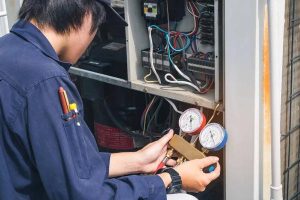
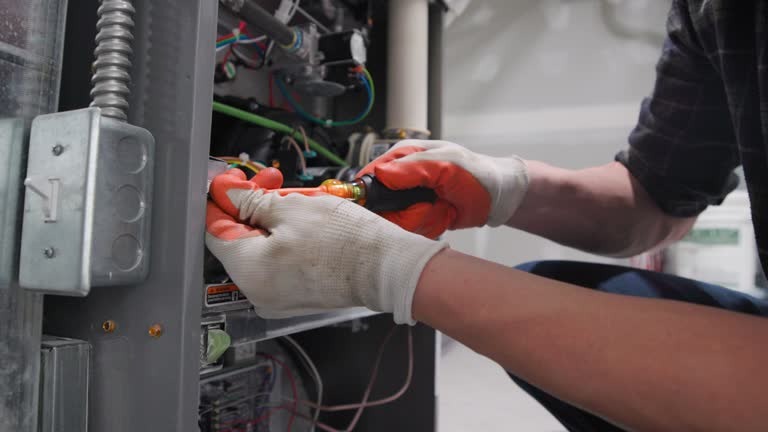
During these visits, technicians perform a variety of tasks designed to keep HVAC systems running smoothly. In the spring visit, they focus on preparing air conditioning units for increased usage during hot months. This includes cleaning or replacing filters, checking refrigerant levels, inspecting coils for dirt or damage, and ensuring all electrical connections are secure. A well-maintained AC unit operates more efficiently and uses less energy to cool spaces.
The fall visit emphasizes readiness for heating demands as temperatures drop. Technicians will inspect furnaces or heat pumps to ensure they function correctly when needed most. They clean burners or heat exchangers if necessary and check safety controls to prevent hazardous situations like carbon monoxide leaks.
Regular maintenance helps identify small problems before they become significant issues requiring costly repairs or replacements. For example, worn belts might seem trivial but can lead to motor failure if left unattended over time; similarly unnoticed refrigerant leaks could escalate into compressor damage—a far more expensive fix than early detection allows.
Moreover regular servicing enhances indoor air quality by keeping ducts clean which reduces allergens circulating within living spaces promoting better health outcomes particularly important given increasing concerns about respiratory conditions globally today especially post-pandemic era where people spend more time indoors working remotely etcetera hence importance cannot be overstated here either!
Energy efficiency translates directly into cost savings on utility bills too since properly maintained equipment consumes less power achieving desired temperature settings faster avoiding unnecessary strain lowering operational costs ultimately benefiting household budgets significantly long-term perspective wise thus reinforcing value proposition associated with investment made towards professional upkeep services rendered periodically throughout calendar year cycle itself creating virtuous circle effect perpetuating positive feedback loop continuously thereafter indefinitely thereafter sustainably so forth forthwith conclusively indeed!
In conclusion investing preventive measures via routine biannual assessments represents prudent decision-making safeguarding assets enhancing comfort reliability peace mind alike simultaneously without compromise whatsoever undeniably unequivocally irrefutably assuredly!